

[శ్రీ కోవెల సంతోష్ కుమార్ రచించిన ‘మిషన్, ఇండియా దట్ ఈజ్ భారత్’ అనే వ్యాస పరంపరని అందిస్తున్నాము.]


చాప్టర్ 28.
రాక్షసులు అంటే.. సమాజానికి ద్రోహం చేసేవారు.. మంచివాళ్లను ఇబ్బందులకు గురిచేసేవారు. అక్రమాలకు, అన్యాయాలకు పాల్పడేవారిగా మన భారతీయ ధర్మం భావిస్తూ వచ్చింది. ఇలాంటి దుష్టుల శిక్షణ కోసం తాను అవసరమైనప్పుడల్లా అవతరిస్తానని జగద్గురువైన శ్రీకృష్ణుడు గీతలో ప్రవచించాడు. సృష్టి అంతా తనలోనే ఉద్భవించి తనలోనే లీనమవుతుందని చెప్పాడు. క్రైస్తవం దగ్గరకు వచ్చేసరికి పాత టెస్ట్మెంట్లో సృష్టిలోని అన్ని కార్యాలకూ నాయకుడైన భగవంతుడు.. కొత్త టెస్ట్మెంట్ దగ్గరకు వచ్చేసరికి దేవుడికి ఒక శత్రువుగా సాతాను, అతని అనుచరులుగా 13 కోట్ల మంది రాక్షసులు పుట్టుకొచ్చారు. క్రైస్తవాన్ని విశ్వసించని శక్తులు, వ్యక్తులన్నీ కూడా సాతాను బంధువులుగా నిర్వచించారు. ఈ నిర్వచనం దాదాపు మూడు దశాబ్దాల పాటు ఐరోపాలోని మహిళలను గడగడలాడించింది. బతకడమే హేయమై, భవిష్యత్తు శూన్యమై, మనో వ్యథతో, కృంగి, కృశించి నశించే పరిస్థితి. దాదాపు రెండు లక్షల మంది మహిళలు నిర్హేతుకంగా, నిర్దయగా, దారుణంగా ఊచకోతకు గురైన కాలం అది. యూరప్ లోని అన్ని దేశాలలో ఇదే పరిస్థితి. క్రైస్తవానికి వ్యతిరేకమైన వారు, క్రైస్తవం కాని మతం వారు అందరికీ రాక్షసులతో, దెయ్యాలతో, భూత ప్రేత పిశాచాలతో సంబంధాలు అంటగట్టేవారు. వారిపైన తప్పుడు ప్రచారం చేసి.. వారు అంటేనే భయపడేలా పరిస్థితులు సృష్టించేవారు. ఏ మహిళ అయినా ఇతర మతానికి చెందిన వారైతే చాలు.. వారిని మంత్రగత్తె అని కన్ఫర్మ్ చేసేవారు. నిజానికి వాళ్లు ఏసు క్రీస్తును కాకుండా, బైబిల్ను కాకుండా, చర్చిని కాకుండా ఏ ఇతర రకాలైన మార్గాలను, సంప్రదాయాలను అనుసరిస్తే.. మనం ఇప్పుడు మూఢ విశ్వాసాలు అంటుంటామే చేతబడి, బాణామతి, స్మశానంలో పూజలు.. వంటివన్నింటినీ కూడా ఇదిగో ఈ మహిళలకు అందించేవారు. చర్చి, మిషనరీలు ఒక పకడ్బందీ ప్రణాళికతో నిర్మాణాత్మకంగా ఒక ప్రాపంగాడాను ప్రారంభించింది. క్రైస్తవం తూర్పు దేశాల కంటే పశ్చిమ దేశాలలో ముందుగా విస్తరించింది కాబట్టి పశ్చిమ దేశాలలో ముఖ్యంగా ఐరోపాలొని అన్ని దేశాలలో ఈ ప్రాపగాండా ప్రబలంగా విస్తరించింది. క్రైస్తవం ఉన్నతరువాత కూడా అన్యమత దేవతలను పూజిస్తున్న వ్యక్తులను మార్చాలంటే, చర్చికి ముందున్న అత్యంత శక్తిమంతమైన ఆయుధంగా ఈ సాతాను, దెయ్యం చిత్రీకరణ జరిగింది. అన్యమతస్తులు తమ దేవతలు చూసే విధానాన్ని దెయ్యాన్ని చూడటంగా సామాన్య క్రైస్తవులు విశ్వసించేలా చేశారు. అన్యమతస్థులు పాటించే అన్ని సంప్రదాయాలను కూడా సాతానుతో లింక్ పెట్టారు. కొత్త కొత్త కథలను సృష్టించారు. ఈ మంత్రగత్తెలు దెయ్యాలతో, రాక్షసులతో ఎప్పటికప్పుడు సంబంధాలు పెట్టుకుంటారంట.. ఒప్పందాలు చేసుకుంటారంట. దెయ్యాలతో మనుషులు ఒప్పందాలు చేసుకోవడం ఏమిటో వీళ్లకే తెలియాలి. సెయింట్ అగస్టీన్ తన రచనల్లో ఈ ఒప్పందాల గురించి పెద్ద ఎత్తున రచించారు.
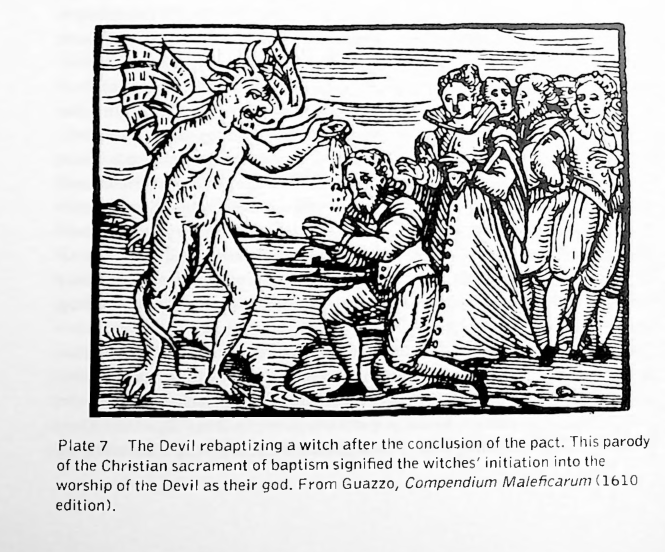

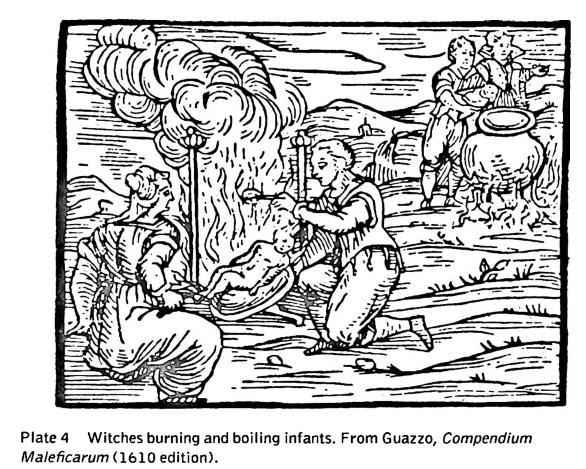
9వ శతాబ్దం తరువాత ఈ కథలు విశ్వాసాలుగా మారాయి. ఈ ఒప్పందాలు ఎలా ఉంటాయంటే.. దెయ్యం మంత్రగత్తెకు భూమి మీద అధికారాన్నిస్తుందిట. దాని బదులుగా దయ్యానికి మనిషి సేవ చేయాలి. అంతే కాకుండా ఈ మనిషి చనిపోయిన తరువాత తన ఆత్మను ఆ దయ్యానికి అప్పగించాలంట. ఈ ఒప్పందాల వల్ల ఈ భూమ్మీద ఉన్న మంత్రగత్తెకు మాయా శక్తులు వస్తాయంట. గమ్మత్తేమిటంటే.. మంత్రగత్తెలకు ముందు మంత్రగాళ్లే ఉండేవారు.. మంత్రగాళ్లు ఈ రాక్షసులను పిలిచి తమ ఆధీనంలోకి తెచ్చుకొనేవారట. ఈ మంత్రగాళ్లే.. మంత్రగత్తెలుగా మారిపోయారట. మంత్రగాళ్లు రాక్షసులకు, దెయ్యాలకు యజమానులుగా ఉంటే, మంత్రగత్తెలుగా పరివర్తనం చెందిన తరువాత వాళ్లు దెయ్యాలకు పరిచారికలుగా, దాసిగా మారిపోయారంట. దెయ్యాలకు వీళ్లు చీప్ లేబర్ లాగా తక్కువ ధరకు దొరుకుతారంట. ఈ మంత్రగత్తెలందరూ కలిసి సామూహికంగా దెయ్యాన్ని ఆరాధిస్తారంట. వీరంతా కలిసి మత విరోధమైన ఆచారాలు పాటిస్తారని, అశ్లీలమైన కార్యక్రమాలు చేస్తుంటారని అంటుంటారు. నగ్నంగా నృత్యం చేస్తారంట. చిన్న పిల్లలను అంటే (నరమాంస భక్షణ) తింటారంట. అన్నింటికంటే పెద్ద నేరం ఏమిటంటే, క్రైస్తవ ప్రార్థనలను (nicene creed) వెనుక నుంచి చదువుతారుట. చివరకు దెయ్యంతో లైంగిక కార్యకలాపాల్లో పాల్గొంటారంట. ఇంకా కొన్ని విచిత్రాలు కూడా ఉన్నాయి. మంత్రగత్తెలు గాల్లో ఎగురుతారంట. గాల్లో ప్రయాణిస్తూ.. ఎక్కడో దూర ప్రాంతంలో జరిగే సమావేశాల్లో పాల్గొని తమ అజెండాను సెట్ చేసుకొని వస్తారంట. వీటిని కూడా ఎక్కడో గ్రామాల్లో వినిపించే ప్రాచీన జానపదాల నించి ఎత్తుకొచ్చి వీటికి ఆపాదించారు. ప్రాచీన పౌరాణిక గాథలోల్ స్ట్రిగే అనే దెయ్యం రాత్రిపూట గుడ్లగూబగా మారి పిల్లలను తినేదంట, డయానా అనే దేవతతో కలిసి రాత్రిపూట స్త్రీలు ఆకాశంలో ప్రయాణించే కథ కూడా ఒకటి ప్రాచుర్యంలో ఉండేది. ఈ కథలన్నీ కూడా దెయ్యాలకు ఆపాదించారు.
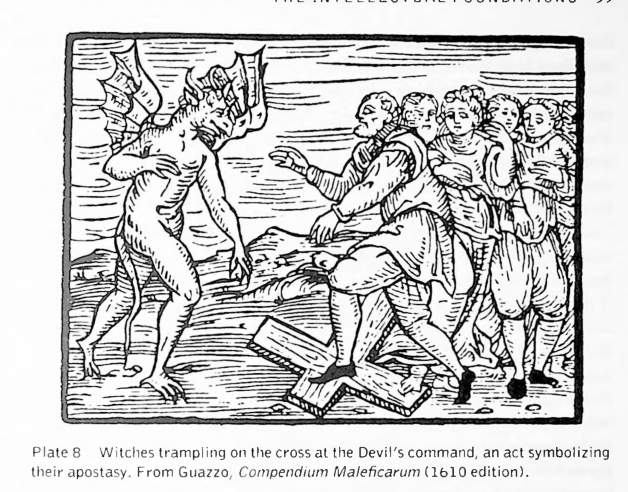

In these pacts the human party made an agreement resembling a legal contract according to which the Devil provided wealth or some other form of earthly power in exchange for service and, of course, the custody of the human party’s soul after death. In some of these accounts the pact involved the practice of magic. In one of the most famous a Jewish magician enticed St Theophilus into signing such an agreement, and as a result of this bargain Theophilus acquired, among other things, magical powers. In another legend, adopted from St Jerome by Archbishop Hincmar of Reims in the ninth century, a boy made a pact with the Devil at the urging of a magician in order to win the affection of a young girl. The boy himself did not acquire magical powers as a result of the pact, nor did the magician make a pact with the Devil, but the boy did obtain the desired object of the love magic, and one can assume that the magician had in fact previously concluded a similar pact. In other stories regarding pacts, such as that told of a ninth-century Italian Bishop who wished to achieve great wealth, there was no allusion to the communication of magical power to the human from the Devil. Nevertheless, the belief that magicians made pacts with the Devil was well enough established by the ninth century that Hrabanus Maurus could refer to the conclusion of the pact as one reason for condemning the practice of learned magic. The connection between magic and the demonic pact became much closer in the twelfth and thirteenth centuries, The belief that witches made pacts with the Devil was a central witch belief among the clergy and the secular elite of early modern Europe. Many individuals who held this belief, however, also subscribed to another idea that was of equal and in some respects even greater importance. This was the be lief that those witches who made pacts with the Devil also worshiped him collectively and engaged in a number of blasphemous, amoral and obscene rites. This belief was not as widely held as that of the pact, and it was some what less uniform in its various expressions. Nevertheless, like the belief in the pact, it served as an essential precondition of the great witch-hunt. Just as the belief in the pact made it imperative that witches be prosecuted, so the belief in the witches’ nocturnal gatherings led European authorities to search for their confederates. Without the belief in the sabbath the European witch hunt would have been a much smaller judicial operation. Although the two beliefs that witches made pacts with the Devil and at tended nocturnal assemblies were closely linked in the minds of many members of the learned elite, and although homage and sometimes even sacrifice to the Devil were elements in both of them, the two ideas had somewhat different sources. Their merger in the cumulative concept of witchcraft did not take place fully until the fifteenth century. Even then, however, the two beliefs were not necessarily associated, even in the literary tradition. For ex ample, the most famous witchcraft treatise ever written, the Malleus Maleficarum, has a great deal to say about the pact but makes only passing references to the collective worship of the Devil. The belief in the sabbath has both general psychological and specific historical sources. The psychological roots, which are, to say the least, inadequately understood, are those that produce nightmares and fantasies about anti-human and amoral activities in many different societies. Every culture has been known to generate myths about persons, sometimes possessing peculiar powers or physical characteristics, who invert the moral and religious norms of society and who therefore present a threat to the very fabric of that society. It can be argued that a belief in the existence of such individuals is necessary in order to establish what those norms are, or at least to reinforce those that are generally accepted. The particular values that these people allegedly invert will vary in accordance with the norms of each society, but since all societies share some similar moral values, the night mares that they produce possess some common features. Thus the practice of cannibalistic infanticide, which most societies consider to be the most egregious moral offence, has been a part of virtually all such nightmares. The same can be said of naked dancing, an activity which many societies, until very recent times, have considered to be socially and morally outrageous. To some extent the belief in the witches’ sabbath, which included both naked dancing and cannibalistic infanticide, represents the late medieval and early modern European version of this standard or even universal nightmare. At the same time, however, the European sabbath had many distinctive char acteristics that reflect the influence of medieval Christianity. Certainly the heavy emphasis that was placed on the erotic aspects of the sabbath – ritual intercourse with the Devil and the prevalence of promiscuous heterosexual and homosexual activity among the witches — derives from the negative attitude of the medieval and early modern Church towards sex. ((the-witch-hunt-in-early-modern-europe).
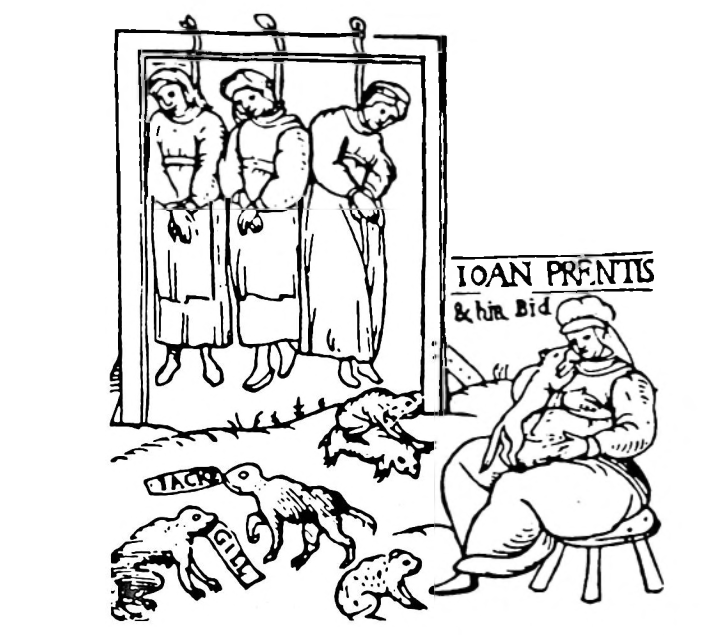
ఈ కథలన్నీ యూరప్లో క్రైస్తవేతర మహిళల పాలిటి పెను శాపంగా మారిపోయాయి. అన్యమతస్తులైన మహిళలను పట్టుకోవడం, మంత్రగత్తెలుగా వారిపై ముద్రలు వేయడం.. కొన్ని సందర్భాల్లో విచారణ జరిపించడం, మరో కొన్ని సందర్భాల్లో ఎలాంటి విచారణే లేకుండా చాలా దారుణంగా హతమార్చడం యథేచ్ఛగా కొనసాగుతూ వచ్చింది. 1450 నుంచి 1750 మధ్య సంవత్సరాలలో యూరప్ అంతటా ఈ మంత్రగత్తెల (witch-hunts) పేరుతో సామూహిక విచారణల పేరుతో వందల మందిని ఒకేసారి బహిరంగంగా విచారించి వాంగ్మూలాలను తీసుకొని దారుణమైన రీతిలో మరణ దండన విధించటం విశృంఖలంగా సాగుతూ వచ్చింది. అనధికారిక లెక్కల ప్రకారం దాదాపు 9 మిలియన్ల మందిని విచ్ హంట్స్ పేరుతో హతమార్చారని ఒక అంచనా.. కానీ మనకు అధికారికంగా చరిత్ర గ్రంథాల ప్రకారం లభిస్తున్న సంఖ్య సుమారు రెండు లక్షల మంది. 1450 నుంచి ఒక మూడు దశాబ్దాల పాటు జోహన్నస్ నీడర్ (Johannes Nider), హెన్రిచ్ క్రామెర్ (Heinrich Kramer) లాంటి వారు ఈ విచ్ క్రాఫ్ట్ సిద్ధాంతాన్ని ప్రచారంలోకి తీసుకొని వచ్చారు. దీనిపైన systematic demonology అన్నది తొలి రచనల్లో ఒకటి. 1484లో ఎనిమిదో పోప్ ఇన్నోసెంట్ ఒక ఆదేశాన్ని ఇచ్చారు. యూరప్ లో క్రైస్తవానికి వ్యతిరేకంగా మంత్రగత్తెల వ్యవహారం చాలా ప్రమాదంగా మారిందని ప్రకటించారు. దీంతో మంత్రగత్తెలను విచారించే అధికారం హెన్రిచ్ క్రామెర్ కు లభించింది.
The notorious witchhunting campaigns of Heririch Kramer in Germany during the 1480s, which Pope Innocent VIII directly sanctioned in his Bull of 1484, and the publication of the Malleus Malcjicanm by Kramer two years later, have led to a general assumption that most fifteenth-century witch-hunting activities occurred under the auspices of papal inquisitors. This is clearly not the case. It is true that inquisitors were primarily responsible for the numerous witch-hunts that took place in southern France in the early fifteenth century. These trials were to some extent a by-product of the pursuit of Waldensian heretics in that region. In other parts of France and Europe, however, episcopal and secular courts prosecuted witches, sometimes in cooperation with inquisitors or with each other and sometimes independently. In one of the very first witch-hunts, which took place in Bern in the late 1420s, the bishop took a leading role, but in prosecuting the witches he used the secular courts over which he presided as a territorial ruler, not the episcopal courts over which he presided as a prelate. (the-witch-hunt-in-early-modern-europe. p.90)
ఇంకేం జర్మనీ ప్రాంతాల్లో మంత్రగత్తెల విచారణ మొదలైంది. సాతాను కుట్రతోనే మంత్రగత్తెలు క్రైస్తవ దేవుడికి వ్యతిరేకంగా పనులు చేస్తున్నారని విచారణాధికారులు తేల్చేవారు. అత్యంత భయంకరమైన దయ్యాలతో ఈ మంత్రగత్తెలు సమానమని నిర్ధారించి వీరి వల్ల క్రైస్తవ ప్రపంచానికి తీవ్రమైన ప్రమాదం ముంచుకువస్తుందని ఈ జడ్జిలు నిర్ణయించి భయంకరమైన శిక్షలు విధించేవారు. దీనికి తోడు యూరప్ లో బయంకరరమైన కరువు కాటకాలు, దుర్భిక్ష పరిస్థితులు ఏర్పడినా, ప్లేగు వ్యాధి విస్తరించినా, మత కల్లోలాలు, చివరకు ప్రొటెస్టెంట్లు, క్యాథలిక్కుల మధ్యన ఘర్షణలు జరిగినా సరే.. వీటన్నింటికీ కూడా విచ్ హంట్ లే కారణమని, సాతాను సహాయంతోనే ఇవన్నీ చేస్తారని ప్రచారం చేసేవారు. సాతాను వీరిని నియత్రింస్తాడని చెప్తారు. హెన్రిచ్ కార్నర్ ప్రచారం చేసిన సిద్ధాంతాలు యూరప్ అంతటా విస్తరించింది. చర్చి అధికారులు, ప్రభుత్వ అధికారులు కలిసి శిక్ష విధించేవారు. వితంతువులు, ఒంటరి మహిళలు, క్రైస్తవేతర పూజలు, ఆచారాలను పాటించే మహిళలు, చిన్న పిల్లలు వీళ్లే ఈ విచ్ హంటింగ్ కు టార్గెట్ అయ్యారు. వీళ్లందరూ కూడా క్రైస్తవేతరులే. క్రైస్తవాన్ని పాటించని వారే. క్రైస్తవేతర మతాల వారే. వీరిలో యూదులే ఎక్కువ. ఈ విచారణ కూడా ఎలా ఉండేదంటే అత్యంత భయంకరంగా చిత్రహింసలు పెట్టి వారిని ఒప్పించేవారు. ఒకదశలో విచారణలో ఒప్పుకోకపోయినా.. అనుమానాస్పదంగా ఉన్నా కూడా శిక్షలు విధించేవారు. ఈ శిక్షలు ఎంత భయంకరంగా ఉండేవంటే.. ఒక్కో శిక్ష గురించి వింటుంటేనే ఒళ్లు గగుర్పొడుస్తుంది.
ఈ మహిళలను ఒక రాడ్కు చేతులను కట్టేసి కిందకు వేలాడదీసేవారు.. అలాగే గంటల తరబడి ఉంచడం ద్వారా భుజాలను డిస్లొకేట్ చేసేవారు.

ఒక చెక్కకు ఒకవైపు సాధారణంగా, మరోవైపు ఇనుప మేకులు పెట్టి ఉంచేవారు. మామూలుగా ఉన్నవైపు మనిషిని కట్టేసి దాన్ని రౌండ్గా తిప్పుతుంటే.. ఆ ఇనుప మేకులు శరీరాన్ని పూర్తిగా చీల్చుకుంటూ పోతుంది. ఇంత భయంకరంగా శరీరాన్ని చీలుస్తూ దారుణంగా చంపుతారు.
మరొక విచిత్రమైన శిక్ష ఏమిటంటే మంత్రగత్తెలుగా అనుమానించిన మహిళలను బంధించి, వాళ్లు తాము మంత్రగత్తెలం అని, సాతానుతో సంబంధాలు ఉన్నాయని అంగీకరించేదాకా రోజుల తరబడి నిద్రపోనివ్వకుండా టార్చర్ పెట్టడం. నిద్రలేకుండా రోజులకొద్దీ నిద్రలేకుండా చేసి చంపేయడం చాలా సాఫ్ట్ హత్యగా చెప్పుకోవచ్చు.

అనుమానాస్పదులైన మహిళలను మంత్రగత్తెలుగా నిర్ధారించడానికి చర్చి విచారణాధికారులు ఒక వినూత్న పద్ధతిని కనిపెట్టారు. అనుమానించిన మహిళలను నీటిలో పడేసేవారు. నీటిలో తేలితే మంత్రగత్తె అని అర్థం. మునిగితే అమాయకురాలు అని అర్థం. మహిళకు ఈత వచ్చి తేలితే.. మంత్రగత్తె అని నిర్ధారించి మరణ దండన విధిస్తారు.
అమాయకంగా మునిగినా చనిపోతారు. ఇంత దారుణంగా మరణ దండనలు విధించేవారు. As the duration of the torture was indefinitely extended, so too was its severity. It appears that in many jurisdictions the most brutal tortures were reserved for witches. Certainly one gets that impression from reading the account of the prosecution of Anna Spiilerin of Ringingen, who was tortured so gruesomely that her limbs were mutilated and her sight and hearing lost. In Scotland Dr Fian, one of the many witches suspected of treason against the king, ‘was put to the most severe and cruel pain in the world, called the boots’, with the result that ‘his legs were crushed and beaten together as small as might be, and the bones and flesh so bruised, that the blood and marrow spouted forth in great abundance’. Some of these procedures were sanctioned by the criminal law of particular states, but others were employed illegally, at the mere command of an overzealous and perhaps sadistic judge. In Germany many courts used the witches’ chair, which was heated by fire from below, while in Scotland there were reports of a witch’s fingernails being pulled out by pincers. In Spanish, French and German lands it was not uncommon for courts to force-feed their prisoners with large amounts of water. Among the clearly illegal tortures were filling the nostrils with lime and water, tying the victim to a table covered with hawthorn twigs, rolling a pin with dagger-like points up and down the spine, gouging out the eyes, chopping off the ears, squeezing the male’s genital organs, and burning brandy or sulphur over the victim’s body. Many of these especially brutal tortures were used originally or exclusively in witchcraft cases. This was not simply because witchcraft was considered the most heinous ofall crimes and the most necessary, therefore, to prosecute successfully, but also because many judges feared that witches might employ sorcery to help them withstand pain. In such circumstances the judges may have believed that an especially cruel form of torture would succeed where others had failed. The method that was specifically designed for use in such cases, however, was one that caused no direct physical harm. The torture of forced sleeplessness, or the tormentum insomniae, was considered to be the most effective antidote to the sorcery of the victim. Since this method, which kept the victim awake for forty hours or longer, did not actually hurt the body, it had great appeal to humane judges. It also was extremely effective, probably because it resulted in a form of brainwashing. One judge claimed that fewer than two per cent of all victims could endure it without confessing. just as the limits on the duration and severity of torture were raised or completely ignored, the rules guarding against false confessions were gradually modified or abandoned. Suggestive questioning became routine in witchcraft cases, a practice which the publication of sets of questions to be asked of witches only encouraged. Few attempts were made to verify the details of the confessions, and when an accused witch retracted a confession made under torture, judges allowed a second or even a third or fourth use of torture, thereby violating the rule against repetition. It was not unusual for judges to give non-capital sentences to prisoners who retracted their confessions, but when the crime was that of witchcraft the judges showed great reluctance to follow that course of action. Some witches were not even given the opportunity for retraction, while others who retracted were executed anyway in the manner prescribed for unrepentant heretics. (the-witch-hunt-in-early-modern-europe. p. 85-86).
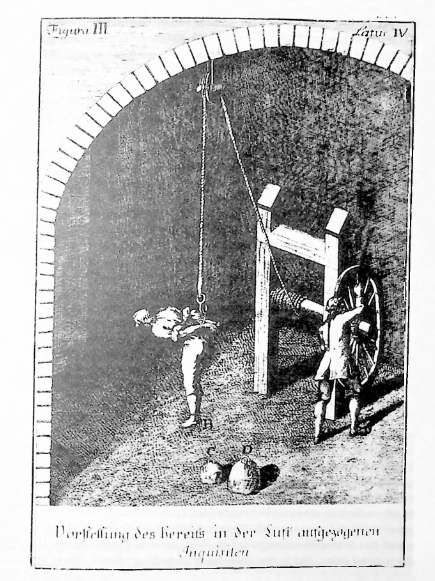

అత్యంత పైశాచికమైన చిత్రహింసలతో కూడిన శిక్షలకు ఇది చిన్న ఉదాహరణ మాత్రమే. ఏయే సంవత్సరంలో ఏయే దేశాల్లో ఎంతమందిని విచారించి హతమార్చారన్న దానిపై మనకు అతి తక్కువగా అందుబాటులో ఉన్న గణాంకాలు మీకు అందిస్తున్నాను.
| దేశం / ప్రాంతం | విచారణల సంఖ్య | మరణశిక్షల సంఖ్య | సంవత్సరాలు |
| జర్మనీ (రోమన్ సామ్రాజ్యం) | 45,000 | 20,000 – 25,000 | తీవ్రమైన దశ: 16వ శతాబ్దం చివర, 17వ శతాబ్దం ఆరంభం.
చివరి శిక్ష: 1749 (ఉర్జ్బర్గ్, ఉర్టెన్బర్గ్). |
| స్విట్జర్లాండ్ | 10,000 | 5,400 – 10,000 | చివరి శిక్ష: 1782 (గ్లారస్ కాంటన్ – అన్నా గోల్డి కేసు. ఇది ఐరోపాలోనే చివరి చట్టబద్ధమైన మరణశిక్ష). |
| ఫ్రాన్స్ (రాచరిక ప్రాంతాలు) | 3,000 | 1,000 | తీవ్రమైన దశ: 1565–1640. లూయిస్ XIV 1682 ఎడిట్ ద్వారా విచారణలను నిషేధించారు . చివరి విచారణ: 1745. |
| స్కాట్లాండ్ (బ్రిటన్ దీవులు) | 1,500 – 2,000 | 1,000 – 1,500 | తీవ్రమైన దశ: 1590వ దశకం .
చివరి శిక్ష: 1727. |
| ఇంగ్లాండ్ | 1,000 – 1,500 | 300 – 500 | చివరి శిక్ష: 1685. చివరి విచారణ: 1712. |
| పోలాండ్ | 3,000 | 1,000 – 1,500 | చివరి శిక్ష: 1793 (పోజ్నాన్ ). |
| మెడిటరేనియన్ దేశాలు (స్పెయిన్, ఇటలీ) | 10,000 | < 500 (చాలా తక్కువ) | ఇన్క్విజిషన్ కోర్టులు ఎక్కువగా విచారణలు జరిపినా తక్కువగా మరణశిక్షలు విధించాయి. |
| స్కాండినేవియా (డెన్మార్క్, స్వీడన్, నార్వే) | 3,000 | 1,000 – 1,500 | చివరి శిక్ష: 1693 (డెన్మార్క్) , 1710వ దశకం (స్వీడన్). |
| తూర్పు ఐరోపా (హంగేరి, రష్యా, బొహేమియా) | 5,000 | 1,000 – 2,000 | ఇక్కడ విచారణలు చాలా ఆలస్యంగా (18వ శతాబ్దం మధ్య వరకు) సాగాయి. రష్యాలో దెయ్యం సిద్ధాంతాలు లేకపోవడం వల్ల వేట తీవ్రత తక్కువగా ఉంది. |
1300 – 1420: మంత్రగత్తెల థియరీ ప్రచారంలోకి వచ్చింది.
1450: ఐరోపా వ్యాప్తంగా అధికారికంగా మంత్రగత్తెలపై విచారణలు ప్రారంభమయ్యాయి.
1580 – 1650: మంత్రగత్తెల వేట అత్యంత తీవ్ర స్థాయికి చేరిన కాలమిది. ముఖ్యంగా జర్మనీ ప్రాంతాలలో వేల సంఖ్యలో మహిళల సజీవ దహనాలు జరిగాయి.
1680వ దశకం: ఐరోపాలో విచారణలు క్రమంగా క్షీణించడం ప్రారంభమైంది. ఇంగ్లాండ్ (1685), ఫ్రాన్స్ (1682) వంటి దేశాలలో మరణశిక్షలు ఆగిపోయాయి.
1736: బ్రిటన్లో మంత్రవిద్యను నేరాల జాబితా నుంచి తొలగించారు.
1782: స్విట్జర్లాండ్లో చిట్టచివరి విచ్ హంట్ మరణశిక్ష అమలు అయింది.
బ్రియాన్ పి లెవాక్ రాసిన ది విచ్ హంట్ ఇన్ ఎర్లీ మోడర్న్ యూరప్ గ్రంథం ప్రకారం మహిళలే ఎక్కువగా లక్ష్యం కావడానికి ఆనాటి క్రైస్తవ సమాజంలోని పితృస్వామ్య వ్యవస్థే కారణం. దీన్ని కొంచెం లోతుగా ఆలోచిస్తే.. మన దేశానికి కూడా పితృస్వామ్య వ్యవస్థ చర్చి నుంచి దిగుమతి అయిందేమోనని అనిపిస్తుంది. మహిళలకు గౌరవం లేకపోవడం, ఉన్నతస్థాయిలో సమానత్వం లేకపోవడం వల్లనే బలిపశువులయ్యారు. సమాజంలో రక్షణ లేని వృద్ధ మహిళలు, వితంతువులు బలయ్యారు. లేని మంత్రవిద్యను సృష్టించి అది క్రైస్తవానికి హాని కలిగించేదిగా, దేవునికి వ్యతిరేకంగా తిరుగుబాటు చేసేదిగా చిత్రించి మూడు వందల ఏండ్లు నిరంకుశంగా చర్చి చేసిన పాశవికమైన కార్యాచరణకు లక్షల మంది మహిళలు అత్యంత పైశాచికంగా మృత్యుకూపంలో పడిపోయారు.
(ఇంకా ఉంది)


కోవెల సుప్రసన్నాచార్య గారి తనయుడు జర్నలిస్టు కోవెల సంతోష్ కుమార్. చక్కని రచయిత. దేవ రహస్యం, విలయవిన్యాసం, రామం భజే శ్యామలం, కల్లోల భారతం వంటి పుస్తకాలు వెలువరించారు.