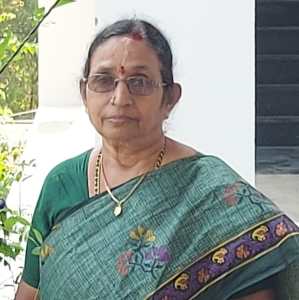
[In this series, Dr. Chengalva Ramalakshmi and Mr. Boddapati Chandrasekhar introduce renowned Telugu short story writers.]


~
“Abhinava Nannayya.. The Andhra Kalhaṇa..” Madhunaapanthula Satyanarayana Sastry (March 5, 1920 – November 7, 1992)
In the narrow lanes of Pallipalem, a small village in the Kakinada Taluk of the then East Godavari district, a striking scene unfolded. At dawn, the villagers gathered and burned heaps of foreign mill-made clothes.
This was in response to Mahatma Gandhi’s call for the boycott of foreign goods.
The flames of that movement ignited a spark in the mind of a seventeen-year-old youth of that village.
“I too shall take part in this great sacrifice,” he resolved.


encouraged him wholeheartedly. One surprising element in this was His Grand Father welcomed it. Hats off!
Within his house, he founded an institution named “Āndhrī Kūṭīram”, thus initiating a movement of social reform.
That young man was Madhunapantula Satyanarayana Sastry.
The incident portrays Madhunapantula Satyanarayana Sastry as a socially conscious and progressive young reformer. His efforts to educate the unlettered, uplift the downtrodden, and combat social evils like alcoholism reflect deep humanitarian concern and moral courage. His disregard for caste barriers shows an egalitarian outlook.
In later years, he became renowned as the author of Andhra Purāṇam, and composed several khanda-kāvyas such as Tōraṇam, Śrīkhaṇḍam, Chaitraratham, Kēlākuli, Sadāśiva, and Sañcāśika.
Life and Literary Personality:
Madhunapantula Satyanarayana Sastry was born on March 5, 1920, at I.Polavaram in East Godavari district. His parents were Satyanarayana Murthy and Subbalakshmi.
He passed the Vidwan examination from the University of Madras in 1940. Between 1940 and 1944, he worked on the compilation of the SuryaRayaandhra Dictionary. In 1947, he moved to Rajahmundry and joined Veeresalinga Astikonnata School as a Telugu teacher, where he worked until his retirement in 1974.
His most famous work is Andhra Puranam, for which he received the Andhra Pradesh Sahitya Akademi Award. Other important works include Andhra Rachayitalu (Telugu Writers).
For scholars and lovers of literature alike, the very name Madhunapantula immediately brings to mind Andhra Purāṇam.


Andhra language and Madhunapanthula:
The Andhra language, to Madhunapantula, is the aesthetic splendour of Ajanta – deeply stirring and exhilarating; the soft “kuhu-kuhu” of a cuckoo in spring pecking at tender mango shoots; and a gentle, fragrant breeze. Each Andhra syllable that flowed from his lips gave aesthetic delight – full of melody and suffused with inner rasa. To him, the very utterance of Andhra was the rippling Godavari – graceful, rich, and full of charm – its gentle beauty, rhythm, and expressive richness flowing within him like a flood. The sounds of the language fell upon his ears like the veena-nādam of Goddess Saraswati’s Ka-chcha-pi, soft and sweet like the tinkling of anklets, creating in him a strange, indescribable ecstasy.
‘Āndhrī’ – The Literary Magazine:
Out of deep love for the Telugu language, he started a monthly magazine titled “Āndhrī” in 1939.
This journal earned the admiration of eminent scholars and researchers of the time. Literary giants such as Chellapilla, Jashuva, Viswanatha, Veluri, Veturi Prabhakara Sastry, Karunasri, and Devulapalli contributed to it.
A distinctive feature of the magazine was the editor’s candid and fearless remarks beneath each contribution. These comments created a sensation, revealing Sastry’s literary authority, deep familiarity, critical insight, and analytical strength.
His ability to evaluate a work, to discern its merits and flaws, stood as a testimony to his profound literary understanding and refined judgment.


One significant detail..
Satyanarayana Sastri’s granddaughter Akondi (Madhunapantula) Ratna Kaliki got her M.Phil from Andhra University. Her topic was.. A Study of Āndhrī Journals..
Chronicler of Writers:
Sastry documented the lives and works of poets, storytellers, critics and researchers from the early nineteenth century onward.In his work “Āndhra Rachayitulu” (Andhra Writers), he presented a comprehensive account of about a hundred authors across literary genres.
His approach reflects a fine blend of keen observation, research, and critical insight.
“Abhinava Nannayya”:
Nannayya was as dear to Sastry as life itself. His own poetry stands as living proof of that devotion.
“The Walking Nannaya of Rajamahendri ” that is how Kavisamrattu Viswanatha Satyanarayana praised him.
Sri Madhunapanthula adores Adikavi Nannayya. Expressing his reverence, he described Nannayya as:
The radiant divine light that eternally illuminated the world of Telugu literature.
The lawgiver of speech who bestowed purity upon the stream of literature.
Inspired by that spirit, Sastry composed poetry of equal emotional depth and brilliance.
Andhra Purāṇam – Highlights:
Andhra Puranam is a historical epic divided into nine sections, tracing the history of the Telugu people from ancient times up to the rule of the Nayaka kings. Though it is based on history, it also has strong literary value. It is considered one of the five major historical epics.


In this Andhra, several episodes gained great fame.
Kāvya-homa in the Śātavāhana section
Bhāratāvataraṇa in the Chālukya section
The valour of Queen Rudramamba in the Kakatiya section
Other sections such as Punapratiṣṭhā, Vidyānagara, Śrī Krishnadevaraya, Vijaya, and Nāyaka Rāja are rich in poetic charm and deeply delight connoisseurs.
Two Significant Points:
- The Ajo Vibho Kandalam Foundation engaged eight eminent scholars to write commentaries on the nine sections of the Āndhra Purāṇam and published them. This stands as a valuable gift presented to the Telugu community by Appajosyula Satyanarayana.
- In 2020, the Central Sahitya Akademi celebrated his centenary. The grand annotated edition of Andhra Purāṇam was released beneath the the mango tree – the very spot where he had composed it.
Much to the delight of the literary world.
Taste some of his Chaste Poetry (with Meaning):
1.
‘ఆడుదానికి రాజ్య పట్ట్టాభిషేక
వైభవ ప్రాభవములె సెబాసు! మనకు
ఇంక ముందాంధ్ర భూమిలో ఇంటనింట
కొదవలేదంట పసుపు గుంకుమపంట’
Meaning:
A celebration of a woman’s coronation –
a proud and glorious moment for us.
From now on, in every Andhra household,
there will be no lack of prosperity and auspiciousness.
2.
(Kanakābhiṣeka episode)
‘ఆంధ్రకవి సార్వభౌమ హేమాభిషేక
పరమసమ్మాన మంగళాచరణగాన
వాద్యనిస్వాన మది యొక్క స్వాతివాన
తనుపుగా మొగ్గవిచ్చెముత్యాల శాల ’
Meaning:
At the golden coronation of the emperor among Andhra poets,
amid auspicious chants and musical resonance,
the sound showers like the Swāti rain –
blossoming into pearls of poetic brilliance.
3.
(Conclusion of Andhra Purāṇam)
‘శతధాక్లువ్త సహస్రధా వివృతలక్షానేకశ:కోటీశ
స్తత విశ్వోదయ రమ్యరమ్యతర శశ్వత్సృష్టి కళ్యాణి కా
రతి పాత్రంబును నెత్తు ముమ్మొదలి పేరంటాలివౌ నీదుకం
టితుదన్ వెల్గు వికుంఠనాయక చిరంటీ! యాంధ్రసామ్రాజ్యముల్’!
Meaning:
O eternal Lord! May this Andhra realm flourish endlessly –
radiant, expansive, ever-auspicious –
spreading beauty across the universe
and standing as a worthy vessel of divine grace.
Here is your passage presented exactly as you wanted – Telugu verses preserved, with English meaning immediately below, and the whole piece flowing cohesively:


Madhunapantula Satyanarayana Sastri’s Literary Perspective:
Speaking on this, the great poet says:
“నిత్య ప్రవాహ శీలమైన సంప్రదాయ సాహిత్య తరంగిణిలో ఇదీ ఒక కెరటం. పూజ్యులైన మహానుభావుల చేత పరిక్షుణ్ణమైన రాచబాటలో నేనూ ఒక పథికుణ్ణి. ఆ ప్రస్థానంలోణమైన పథికణ్ణి రాచబాటలో నేనూ ఒక పథికుణ్ణి. ఆ ప్రస్థానంలో నాదీ ఒక సహాయనం. మరి – నీ కొత్తదనం ఎక్కడ! అంటే -”
In the ever-flowing stream of traditional literature, this too is but a wave.
I am a traveler on the royal path sanctified by great souls.
In that journey, mine too is a humble contribution.
Then – where is your novelty? you may ask..
//యానేవ శబ్దాన్ వయ మాలపాయో
యానేవ చార్ధాన్ వయముల్లిఖామః
తై రేవ విన్యాస విశేష భవ్యైః
సమ్మోహయంతః కవయో జగంతి//
Meaning:
The same words we utter,
the same meanings we express;
yet, through distinctive arrangement and expression,
poets enchant the world.
ప్రాత మాటలే, ప్రాత అర్ధాలే – కవియొక్క నూతనత్వం విన్యాస విశేషంలో ఉంది. కూర్పు, నేర్పు, క్రొత్త మెఱపులను మెఱయిస్తుంది. హృదయం ఉన్నవాడికి నయనోన్మేషం కలిగిస్తుంది.
The words are the same; the meanings are the same.
The poet’s originality lies in arrangement.
It is this craft that brings fresh sparkle
and awakens subtle delight in a sensitive heart.


మేఘాలను కాదంటే మెఱుపులూ ఉండవు.
శబ్దార్ధాలను, కల్పనలను కాదంటే మిగిలేది వట్టి కాగితాల కట్ట.
Without clouds, there can be no lightning.
Without words, meanings, and imagination,
what remains is but a heap of blank paper.
అనంతకాలంలో – పోనీ తెలుగు సాహిత్యం వ్యాపించిన కాలపరిధిలో – ఋషికల్పులు, సిద్ధులు, సాధకులు ఎందరో! ఆంధ్ర సరస్వతి హ్లాదమయి; అనన్యపరతంత్ర.
Across endless time – even within the span of Telugu literature –
There have been countless seers, realized souls, and seekers.
Andhra Saraswati is ever-delightful, dependent on none.


నా అన్వేషణ ఇలా ఉంటుంది:
My quest, therefore, moves thus:
నెదుకు చుందును శబ్దవిన్యాస కౌశలీ
మాధురి మాతత చతుష్పథములందు
I seek the skill of verbal arrangement
in the sweetness that flows through the crossroads of expression.


తడవుకొందును తదర్ధ విభూతి
విసృమర వ్యాకృతి స్పోట గహ్వరములందు
I explore the richness of meaning
in the resonant caverns of unfolding linguistic forms.
ఓర్మి గవేషింతు నుజ్జ్వల వస్తు
కల్పన విధానల్ప శిల్పములయందు
I delve into radiant imaginative constructs
shaped with subtle artistry.
కోర్కి నన్వేషించుకొందు నలంకార
కనకవల్లీ కుడుంగముల యందు
With longing, I search
among the golden creepers of poetic ornamentation.


తత్ర తత్ర ప్రతిధ్వనత్త్వకీన
విద్యుదాకార రేఖ హృద్వీథి నిలిపి
Here and there, I capture
lightning-like flashes of echoing resonance
and hold them within the pathways of the heart.
నీరసం బైన బ్రతుకును స్వారసికము
చేసికొనుటకు నీ కృపాసిద్ధివలతు
So that this otherwise insipid life
may be made aesthetic and relishable –
by the grace bestowed.


Titles and Honours:
This blessed son of Saraswathi received numerous honours, which in turn gained value through him:
In 1975, at Rajahmundry, in the presence of Bezawada Gopala Reddy and Tenneti Viswanadham, he was conferred the title “Sāhithee Samrāt” and also honoured as “Āndhra Kalhaṇa.”
Kalhaṇa, the Sanskrit historian, authored Rājataraṅgiṇī, the chronicle of Kashmir kings. In the same spirit, Sastry, through Andhra Purāṇam, earned the title “Andhra Kalhaṇa.”
In 1982, Andhra University honoured him with the title “Kalā Prapūrṇa,” recognizing his love and service to Andhra literature.


Conclusion:
Madhunapantula Satyanarayana Sastry stands as a rare confluence of tradition and modernity, poetry and prose, devotion and intellect.
Truly, he is “Abhinava Nannayya”—a living embodiment of classical brilliance in modern times.
“Great poets, perfected in artistic expression, are truly blessed;
their fame never fades, nor does it die.”
జయంతి తే సుకృతినో రససిద్ధాః కవీశ్వరాః |
నాస్తి తేషాం యశః కాయే జరా మరణజం భయం||
🌹🌹🙏